How Adding Obstacles to Cruising Builds Strength and Confidence
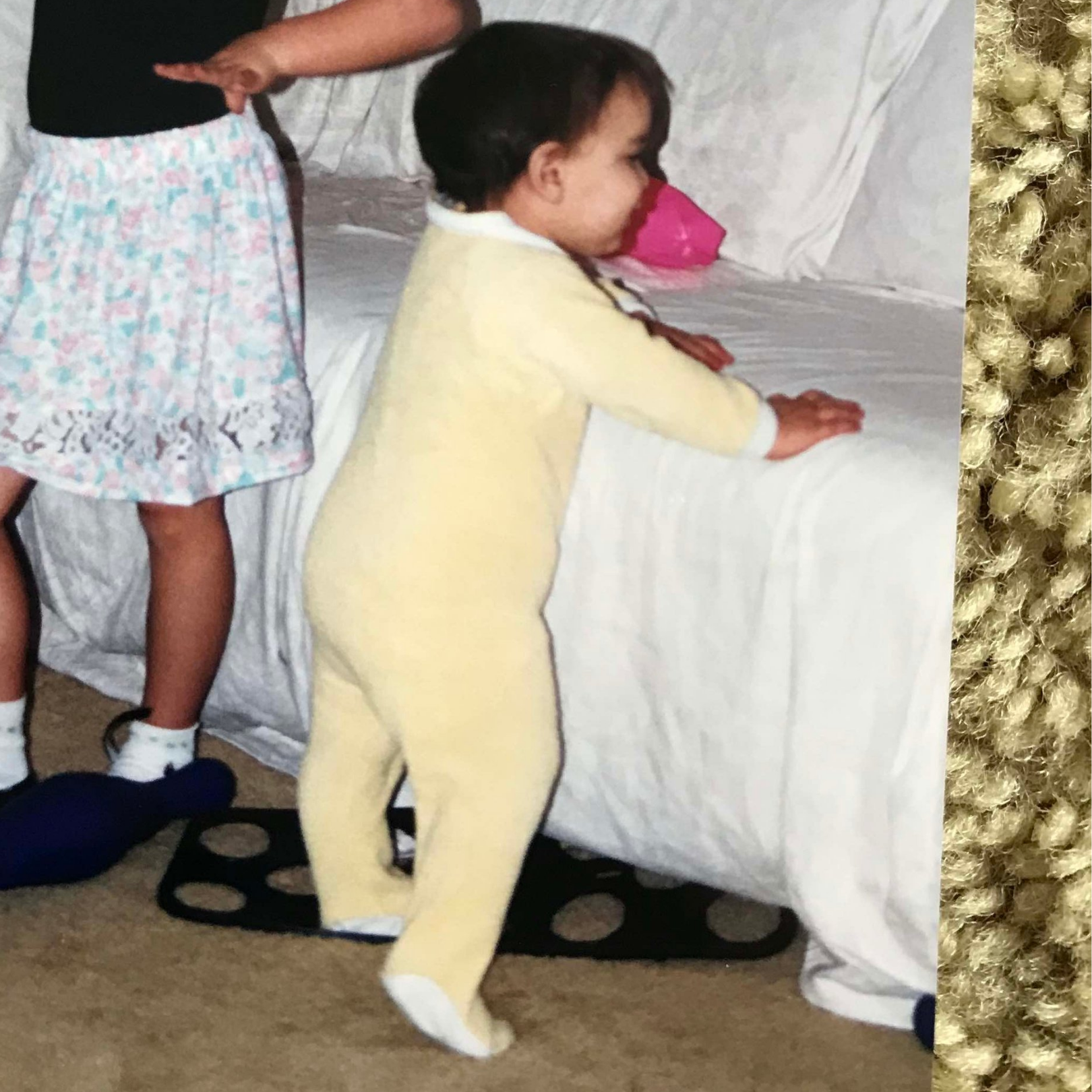
Quick Answer: Adding simple obstacles along your baby's cruising path builds balance, strength, depth perception, and problem-solving skills that prepare for independent walking. Once your baby cruises confidently along furniture, place soft obstacles like scrunched blankets, items with edges like baking pans, or small height changes like step stools in their path. These challenges encourage weight shifting, stepping over obstacles, and navigating varied terrain while maintaining hand support. Start with easier obstacles and progress to more challenging ones as confidence builds.
What Is Cruising and Why Does It Matter?
Cruising is when babies hold onto stable furniture and take sideways steps while maintaining hand support for balance.
This skill typically emerges around 8-11 months old, after babies can pull to stand but before they walk independently. Babies start by pulling up on furniture, then discover they can move sideways while holding on, and eventually cruise several feet along couches, coffee tables, or other stable surfaces.
Cruising builds confidence in the upright position. Babies spend weeks or months standing and moving while holding furniture, which makes the upright position feel familiar and comfortable.
The skill also develops balance and weight-shifting abilities. To take sideways steps while cruising, babies must shift weight from one foot to the other while maintaining balance. This weight-shifting practice is fundamental for walking, where weight transfers from one foot to the other with each step.
Leg strength improves through cruising practice. Supporting body weight on one leg while the other leg steps sideways builds the strength needed for walking. The more cruising practice, the stronger legs become.
Most babies naturally cruise along smooth, flat furniture surfaces. While this provides valuable practice, adding obstacles creates additional challenges that further develop the skills needed for walking on varied terrain.
Why Do Obstacles Enhance Cruising?
Obstacles transform basic cruising into more complex motor challenges.
Varied surfaces and obstacles require constant balance adjustments. When cruising over a scrunched blanket versus flat floor, your baby must make different adjustments to maintain stability. These varied challenges develop more adaptable balance responses than cruising on consistently flat surfaces.
Problem-solving skills develop when babies encounter obstacles. Your baby must visually assess the obstacle, decide how to navigate it (step over, step into, step onto), and then execute the plan while maintaining balance. This cognitive work alongside physical movement builds motor planning abilities.
Depth perception improves through navigating obstacles with edges and height changes. Stepping into a baking pan or onto a step stool requires your baby to judge distances and heights visually, then coordinate foot placement accordingly.
Strength builds more quickly with varied challenges. Stepping over obstacles or onto elevated surfaces requires more strength than cruising on flat surfaces. This increased difficulty accelerates strength development.
Confidence grows through successfully navigating challenges. Each obstacle your baby successfully navigates builds their belief in their own abilities, which supports the confidence needed to eventually let go and walk independently.
What Obstacles Work Well for Cruising?
Different obstacles provide different developmental challenges, and simple household items work perfectly.
Scrunched blankets create soft, uneven surfaces that challenge balance and ankle strength. Place a blanket scrunched up on the floor along the couch where your baby cruises. Walking over the soft, shifting surface requires constant small adjustments that build balance responses. This is a good beginner obstacle since it's soft and low-risk.
Metal baking pans provide edges to step over and into. Position a shallow baking pan on the floor along the cruising path. Your baby must use depth perception to judge the edge height, then lift their foot to step into and out of the pan. The sound of stepping on metal also provides interesting sensory feedback.
Shoe boxes or small sturdy boxes work similarly to baking pans but with slightly higher edges. These provide more challenge as babies must lift feet higher to step over them.
Short step stools (4-6 inches high) create small height changes along the cruising path. Position a step stool next to the couch so your baby must step up onto it while continuing to hold the couch for support. Stepping up requires significant strength and weight-shifting ability. Make sure the stool is stable and won't slide.
Firm pillows or cushions create gentle height variations similar to step stools but with softer surfaces. These combine the balance challenge of uneven surfaces with small height changes.
Rolled towels placed along the cruising path create small bumps to step over. These low obstacles are good for beginners building confidence with obstacle navigation.
The key is using stable items that won't shift or slide when your baby steps on or over them. Avoid anything that might tip or move unexpectedly.
When Should I Introduce Obstacles?
Wait until your baby cruises confidently on flat surfaces. If your baby is just learning to cruise and still working on basic side-stepping, flat surface practice is sufficient. Once they can cruise several feet smoothly and seem comfortable with the basic skill, obstacles become appropriate.
How Should I Set Up Obstacle Cruising?
Choose stable furniture for cruising support. The couch works well because it's heavy and won't move when your baby pulls on it. Coffee tables, ottomans, or sturdy toy boxes can also work if stable.
Position obstacles along the cruising path where your baby naturally wants to go. If there's a toy at the end of the couch, place the obstacle between your baby and the toy to create motivation to navigate it.
Stay nearby to supervise and provide encouragement. You don't need to help unless your baby shows signs of losing balance, but your presence provides reassurance for attempting new challenges.
Remove obstacles if your baby seems frustrated or stressed.
Frequently Asked Questions About Obstacles During Cruising
Q: When should I start adding obstacles to cruising? Start once your baby cruises confidently on flat surfaces, typically around 9-12 months old.
Q: Are obstacles necessary for learning to walk? No, many babies learn to walk without obstacle cruising practice. Obstacles enhance development but aren't required.
Q: How many obstacles should I use at once? Start with one obstacle at a time. Multiple obstacles can be used once your baby navigates single obstacles confidently.