
What Is Plagiocephaly? Signs, Causes, and Treatment for Babies
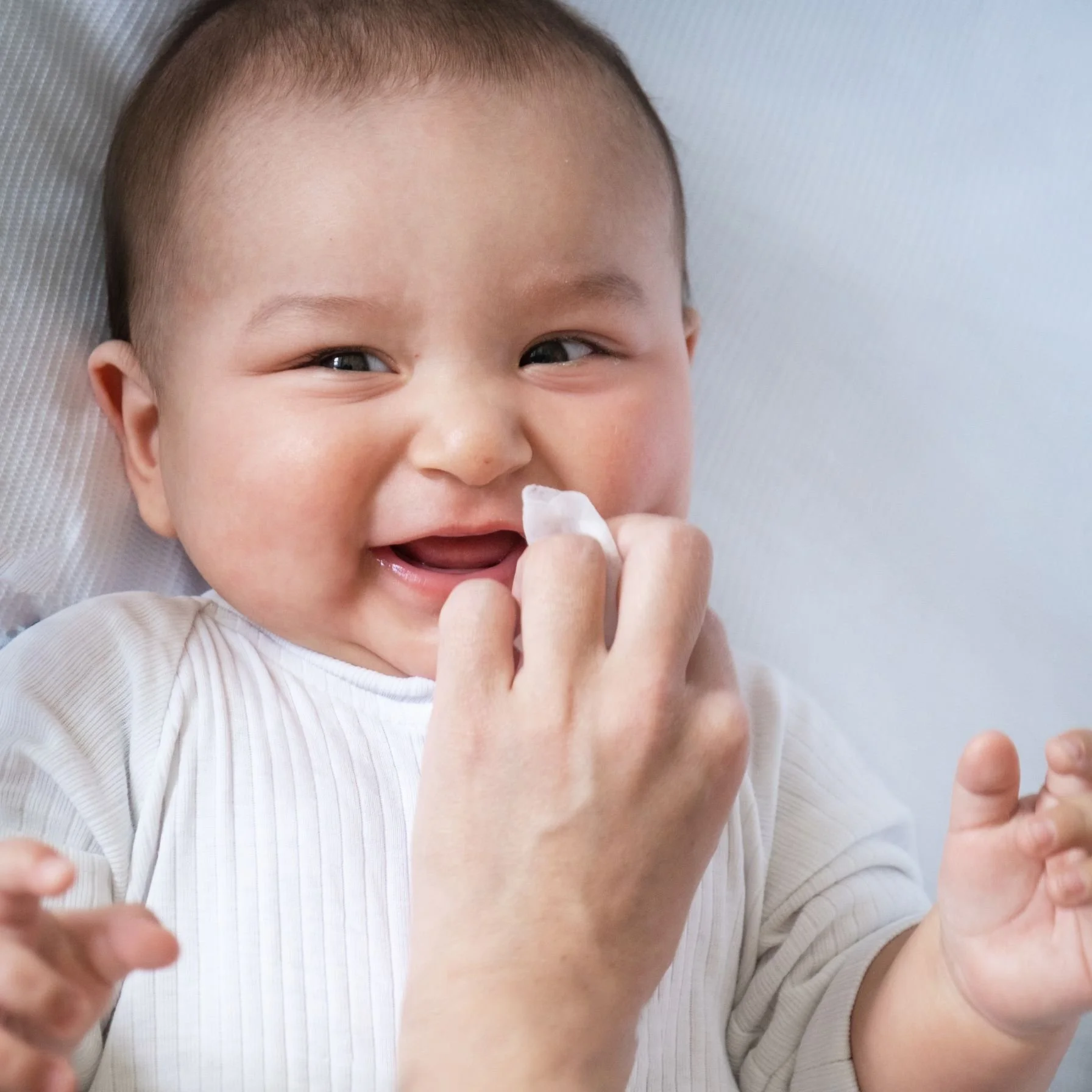
Plagiocephaly is flattening of an area of a baby's head that creates an asymmetrical skull shape. It's common and is treatable with early physical therapy intervention.
How to Do Tummy Time When Your Baby Has Reflux
When your baby has reflux, modify tummy time by waiting 20-30 minutes after feeding, starting with inclined positions, and keeping sessions shorter initially. Use left side-lying as a rest position when baby gets fussy, and don't let fear of spit-up prevent this important developmental activity.

Booty Scooting Instead of Crawling
Booty scooting often happens when babies avoided tummy time early on. Babies who booty scoot tend to avoid positions where their head needs to move independently from their body, like crawling requires. This preference for sitting can make pulling to stand, cruising, and walking a little more difficult.

The Connection Between Baby’s Reflux and Torticollis Explained
Wondering why your baby has both reflux and torticollis? These conditions often occur together because feeding mechanics can lead to digestive discomfort, causing babies to develop compensatory head positioning that eventually becomes muscle tightness.

How Can Torticollis Affect My Baby's Feeding?
If your baby has torticollis and you're experiencing feeding challenges, these issues may be related. Neck muscle tightness can affect head positioning, latch mechanics, and feeding comfort, but physical therapy can help address both concerns

What Is Torticollis? Signs, Causes, and Treatment for Babies
Wondering what torticollis means for your baby? Torticollis is a neck muscle condition that causes head tilting and responds very well to early physical therapy intervention.

Is My Baby Getting a Flat Head from Sleeping on Their Back?
Worried about your baby's flat head from back sleeping? Learn about new screening guidelines, the torticollis connection, and when to seek PT help early.

What Should I Look for in My Baby's First Walking Shoes?
Focus on essential features like non-slip soles and flexible forefeet, but remember that barefoot walking is actually best for developing balance and coordination.

How to Play with Your Newborn (0-3 Months)
Simple sensory play using touch, sight, and sound helps support their brain development and prepares them for future milestones, even 5-10 minutes a day makes a difference.

When to Consult a Physical Therapist For Your Baby (0-4 months)
Wondering when to consult a physical therapist for your baby? Key signs in the first four months include persistent head lag, strong preference for one side, limited tummy time progress, and unusual muscle tone. Professional evaluation provides either reassurance or identifies areas where early intervention can help your baby thrive.
Boosting Your Baby's Language Skills During Tummy Time
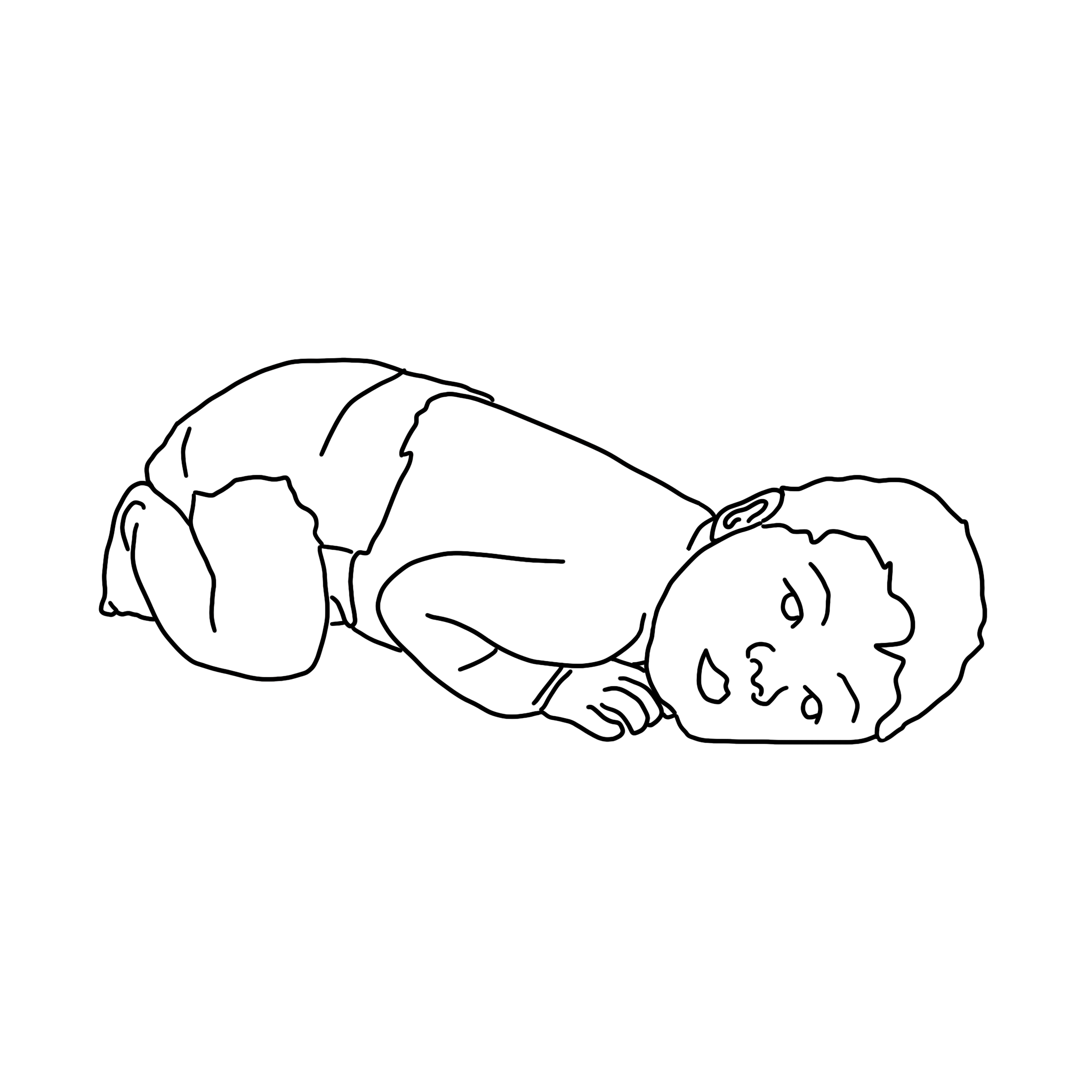
Did you know language development and motor development are intricately intertwined? Combining tummy time with verbal encouragement boosts your baby's physical and language development.

Creating a “Yes” Space for Baby: Safe Play Area for Motor Development
A “yes” space is an area where your baby can freely move without the need for an adult to intervene for safety. Learn how to create a play environment that your baby can safely and freely explore.

Are Baby Jumpers Good for My Baby's Development?
Are baby jumpers worth buying for your baby's development? As a pediatric physical therapist, I don't recommend them. They don't strengthen legs or help with walking.

Should I Buy a Push Toy Walker or Sit-In Walker for My Baby?
Trying to decide between push toy walkers and sit-in walkers for your baby? Push toy walkers are the clear winner. They support natural walking development, while sit-in walkers can actually delay walking and create safety risks.

Learn How Your Baby's Sitting Skills Unfold
Here’s what you can expect to see as your baby's sitting skills develop…

Do Baby Walkers Help Babies Learn To Walk Sooner?
No, baby walkers don't help babies walk sooner. Research shows they actually delay walking development because they change your baby's natural movement patterns and reduce time spent in developmental positions like floor play and crawling that build real walking skills.

Toy Placement For Rolling from Tummy to Back
Learn the significance of toy placement in encouraging rolling from tummy to back.

When to Take a Break from Tummy Time: Reading Your Baby's Cues
Learn how to identify when your baby needs a break from tummy time. Understand baby cues that signal productive challenge vs genuine distress for better development.

Encouraging Release of Your Baby’s Grip
Learn about the grasp reflex and a simple, effective technique for encouraging the release of your baby’s grasp.

How to Set Up Your Space to Encourage Crawling
Create an optimal crawling environment by adding height and distance to your baby's play space. Elevate toys to encourage pushing up, add simple obstacles to navigate, and expand the play area for more practice.