
How Motor Skills Shape Language Development in Babies
Motor milestones create new opportunities for language learning as babies develop. Sitting enables face-to-face interaction and gesturing, crawling introduces independent exploration and requesting, and walking expands access to new environments and conversations.

Should My Baby Wear Just a Diaper for Movement and Play?
Yes, letting your baby wear just a diaper during supervised playtime is excellent for motor development. Clothing restricts movement, reduces sensory feedback, and can interfere with balance and coordination.

How to Help Your Baby Accept Wearing Shoes
Many new walkers resist shoes because of the unfamiliar sensory changes they create. This resistance can be normal and temporary. Gradual introduction during fun activities works better than forcing compliance.

Encouraging Crawling: Building a Pillow Mountain
If your baby is skipping crawling and going right into pulling to stand and cruising… here’s a way to encourage crawling.

Cause and Effect Activities That Support Baby's Development
Cause and effect learning helps babies understand that their actions create results, transforming reflexive movements into intentional movements. Support this development through simple items like rattles, crinkle paper, and hanging objects, plus interactive games and responsive caregiving.

When Can Babies Climb Stairs? Benefits and Safety Tips
Supervised stair climbing build strength, prepares babies for pulling to stand, and develops problem-solving skills. Start once your baby crawls confidently, typically around 8-10 months. Practice climbing up with direct supervision, starting with just 2-3 steps.

How to Be Consistent with Newborn Tummy Time
Consistency matters more than duration for newborn tummy time, and you don't need special equipment or toys. Build a daily habit of at least one session, even if just 1-2 minutes on your chest or a simple blanket. Newborns just need your face and presence.

Turn Everyday Kitchen Items Into Baby Toys
These may not be designed to be toys, but babies love these kitchen items.

Supporting Independent Standing and Walking
Effective ways to help your baby gain confidence in standing on their own. Learn how to provide semi-stable support through techniques like holding hands loosely, engaging with a book, and using a teddy bear.
Why Slowing Down During Baby Play Supports Development
Slowing down your interactions gives your baby time to process information, attempt solutions, and build problem-solving skills. Pause before helping when your baby encounters challenges, allowing time for productive struggle that supports motor learning and independence.

4 Essential Mindsets About Baby Milestones for New Parents
Consider approaching baby development with these mindsets to reduces anxiety. Movement exists for learning, not as a checklist. Babies develop through natural floor play and exploration, not structured exercises. Milestone ranges guide understanding but shouldn't create pressure about timing. Professional support is available when questions arise, and seeking guidance demonstrates good parenting.

What to Do If Your Baby Skips Crawling
Crawling provides unique developmental benefits. Babies who walk before crawling can still gain these benefits through floor play obstacle courses with tunnels, pillows, and varied surfaces. Watch for patterns suggesting underlying issues like difficulty with floor transitions or asymmetrical movement, which warrant professional evaluation.

When Do Babies Develop Fear of Heights
Babies typically don't fear heights until 7-9 months old, after they start crawling. Forward movement develops visual proprioception, helping babies understand how vision relates to balance. The lack of early fear allows free exploration and motor development. Support this by introducing small safe heights like couch cushions for your crawling baby to navigate.

Why Babies Need a Change of Scenery for Development
Changing your baby's environment, even just moving play areas to different rooms, stimulates development and sparks new motor skills. New environments create novelty that captures attention, present different physical challenges, and encourage problem-solving.
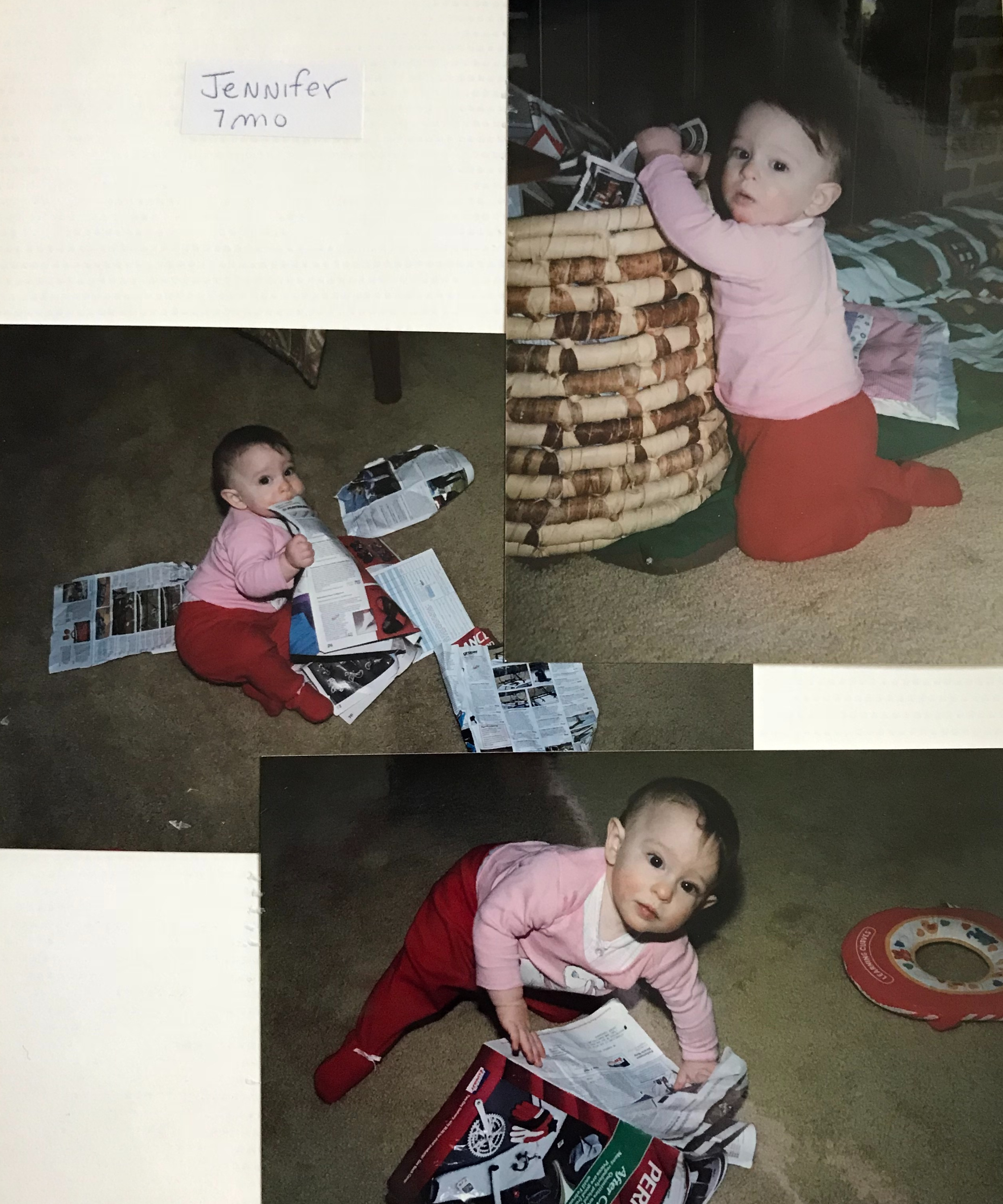
When Do Babies Pull Up to Knees? Understanding This Important Milestone
Wondering when babies start pulling up to knees? This typically happens between 8-10 months and builds the hip and core strength needed for standing and walking.

How to Make Informed Decisions About Baby Containers and Equipment
Baby containers like bouncers and swings don't support motor development since they restrict movement. Pack n plays and play yards are excellent alternatives that provide safe containment while allowing freedom of movement on a flat surface. Use containers strategically for brief periods when they serve specific purposes like soothing, while prioritizing floor time and pack n play time for development.

Combining Simple Toys
Discover the power of combining simple toys to stimulate your baby's imagination and cognitive development. Embrace open-ended play and unlock endless possibilities for exploration.

Exploring the Benefits of Rattles
From helping babies locate sounds to fostering visual tracking, cause-and-effect learning, and introducing rhythm and song, rattles offer a world of engagement and skill-building. Try a simple rattle exercise to promote visual tracking and fine motor development in your baby.

Learn How Your Baby's Tummy Time Skills Unfold
An illustrated guide to the progression of your baby's tummy time skills during the first six months of life.

Push Toys: A Complete Physical Therapist's Guide for Parents
Look for four key features: stability, maneuverability, speed control, and foot clearance. Introduce push toys around 9 to 12 months when your baby is cruising furniture.