
Booty Scooting Instead of Crawling
Booty scooting often happens when babies avoided tummy time early on. Babies who booty scoot tend to avoid positions where their head needs to move independently from their body, like crawling requires. This preference for sitting can make pulling to stand, cruising, and walking a little more difficult.

Creating a “Yes” Space for Baby: Safe Play Area for Motor Development
A “yes” space is an area where your baby can freely move without the need for an adult to intervene for safety. Learn how to create a play environment that your baby can safely and freely explore.

How to Set Up Your Space to Encourage Crawling
Create an optimal crawling environment by adding height and distance to your baby's play space. Elevate toys to encourage pushing up, add simple obstacles to navigate, and expand the play area for more practice.

Should My Baby Wear Just a Diaper for Movement and Play?
Yes, letting your baby wear just a diaper during supervised playtime is excellent for motor development. Clothing restricts movement, reduces sensory feedback, and can interfere with balance and coordination.

Encouraging Crawling: Building a Pillow Mountain
If your baby is skipping crawling and going right into pulling to stand and cruising… here’s a way to encourage crawling.

When Can Babies Climb Stairs? Benefits and Safety Tips
Supervised stair climbing build strength, prepares babies for pulling to stand, and develops problem-solving skills. Start once your baby crawls confidently, typically around 8-10 months. Practice climbing up with direct supervision, starting with just 2-3 steps.

What to Do If Your Baby Skips Crawling
Crawling provides unique developmental benefits. Babies who walk before crawling can still gain these benefits through floor play obstacle courses with tunnels, pillows, and varied surfaces. Watch for patterns suggesting underlying issues like difficulty with floor transitions or asymmetrical movement, which warrant professional evaluation.

When Do Babies Develop Fear of Heights
Babies typically don't fear heights until 7-9 months old, after they start crawling. Forward movement develops visual proprioception, helping babies understand how vision relates to balance. The lack of early fear allows free exploration and motor development. Support this by introducing small safe heights like couch cushions for your crawling baby to navigate.

Why Do Babies Push Backward Before Crawling Forward?
Baby going backward instead of forward when crawling? You're not alone! This normal developmental phase builds strength. Get tips for encouraging forward crawling.

Why Do Babies Bear Walk?
Baby bear walking on hands and feet? This adorable milestone help baby prepare for standing. Learn why it happens and how to support this normal development stage.

How Demonstrating Crawling Helps Your Baby Learn to Crawl
Babies learn through observation. If your baby gets on hands and knees but isn't crawling forward yet, demonstrate the movement by getting on hands and knees yourself, rocking back and forth, and crawling slowly across the floor. This works best for babies who are physically ready but haven't figured out the movement pattern. Make it playful and engaging.
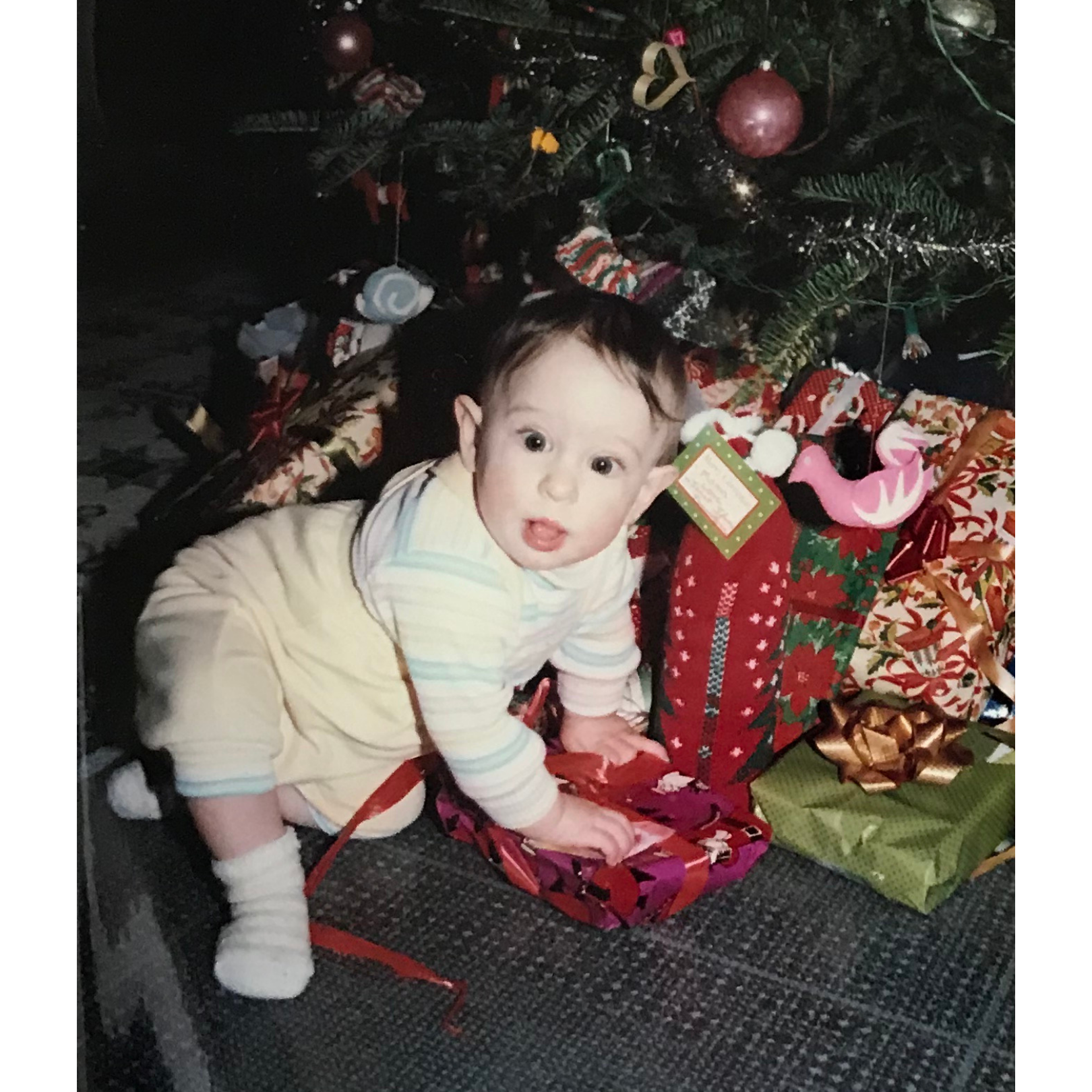

What's the Best Surface for My Baby to Learn to Crawl?
Carpet is the ideal surface for learning to crawl, but you can create perfect practice conditions on any floor using yoga mats and letting your baby go barefoot.
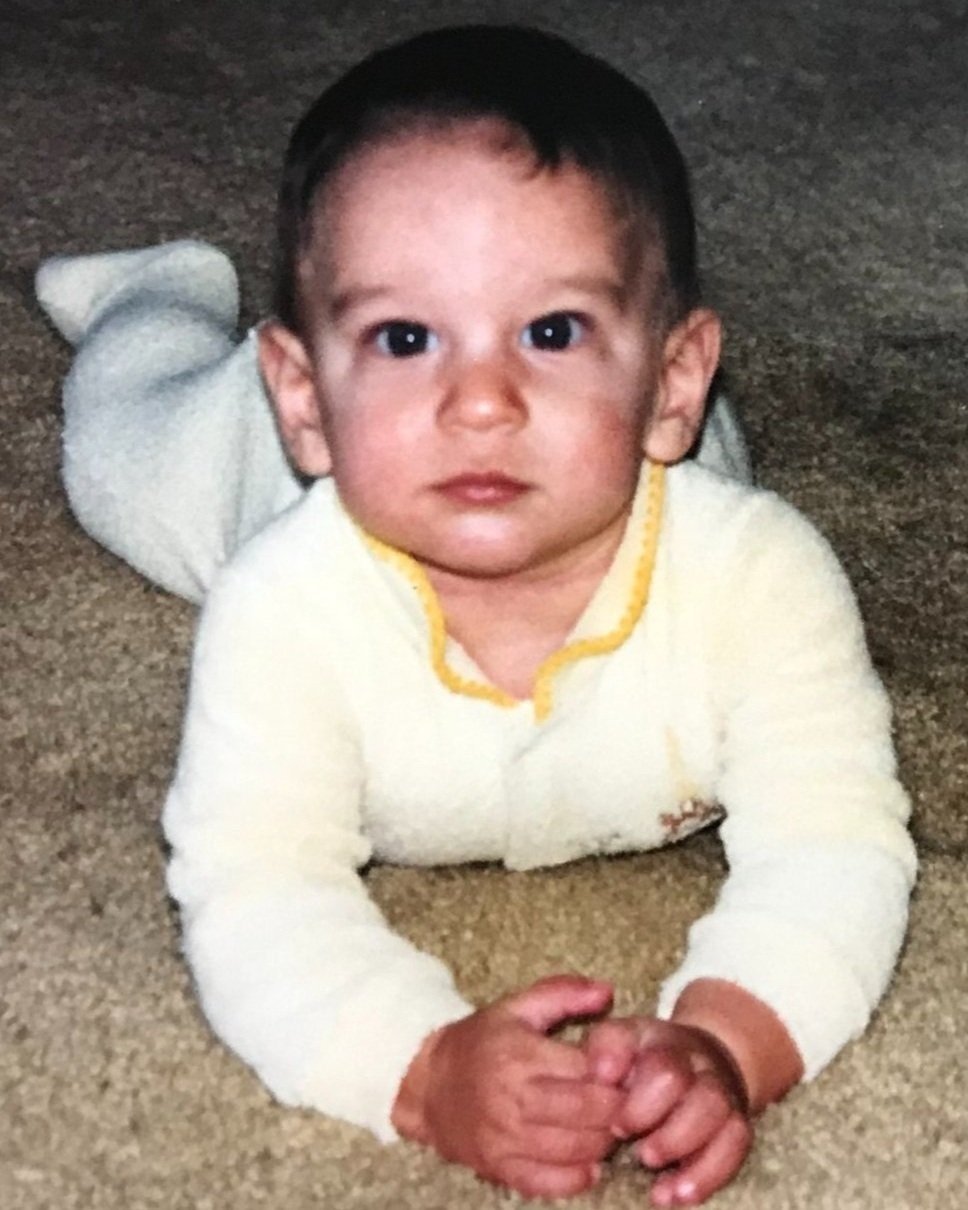
Army Crawling to Hands and Knees Crawling
The transition from army crawling to hands and knees crawling typically happens between 7 to 10 months. Encourage the transition by creating obstacles like your outstretched leg for baby to crawl over, offering toys at elevated heights, and ensuring plenty of tummy time.