
How to Hold Your Baby's Hands When Learning to Walk
A simple adjustment in how you hold your baby's hands while they learn to walk can significantly improve their balance and development. Holding their hands at shoulder level rather than overhead encourages natural posture and builds confidence.

Exersaucers: A Physical Therapist's Perspective
While exersaucers offer convenience, they can limit movements needed for motor development. Learn why physical therapists recommend alternatives like tummy time and floor play to build the strength babies need for walking.

Why Babies Grab Their Feet
Babies grabbing their feet around 4-5 months is an important milestone that signals rolling is coming soon. Learn why this matters for development and how to encourage it.

Best Floor Surfaces for Baby Development
The floor surface your baby plays on directly impacts motor skills. High friction helps crawling, low friction aids pivoting. Expert guide to choosing play surfaces.

Navigating Baby's Milestones: How to Support Their Development with Confidence
Discover how having a roadmap of expected gross motor skill milestones can enhance your playtime with your baby.
6.15.2022

Why Do Babies Push Backward Before Crawling Forward?
Baby going backward instead of forward when crawling? You're not alone! This normal developmental phase builds strength. Get tips for encouraging forward crawling.

Should I Reposition My Baby's Head During Sleep for Torticollis?
The answer is no, quality sleep is more important, and this neck muscle tightness is best addressed during awake hours with safe positioning techniques.

How to Help Your Baby Lift Their Head During Tummy Time
Make tummy time easier for your baby with this simple towel roll technique that helps them lift their head by reducing the weight they have to work against gravity.

Why Do Babies Bear Walk?
Baby bear walking on hands and feet? This adorable milestone help baby prepare for standing. Learn why it happens and how to support this normal development stage.

Outdoor Play for Babies: Developmental Benefits and Activities by Age
Outdoor play beneficial for development. and can make tummy time more fun! Uneven surfaces like grass build balance and ankle strength that smooth indoor floors can't provide.

How to Swaddle Your Baby for Healthy Hip Development
Swaddling is safe for hip development when done correctly. The key is allowing your baby's legs to bend up and out in a natural frog-like position rather than forcing them straight. Choose swaddles that are snug around arms but loose around hips.

When Do Babies Start Wearing Shoes? Timing and Tips for New Walkers
Wondering when to introduce your baby's first shoes? Wait until they're walking confidently around your home without support, not immediately after first steps. Prioritize barefoot walking for healthy foot development, using shoes primarily for outdoor protection.

Why Your Baby Stares at the Ceiling Fan and What to Do About It
Your baby's fascination with the ceiling fan is completely normal, but positioning matters. When babies consistently lie in the same spot looking at the same object, they can develop positional preferences that lead to muscle tightness and head flattening. The simple solution is rotating your baby's position regularly so interesting objects appear on different sides, encouraging balanced head turning and preventing developmental concerns.
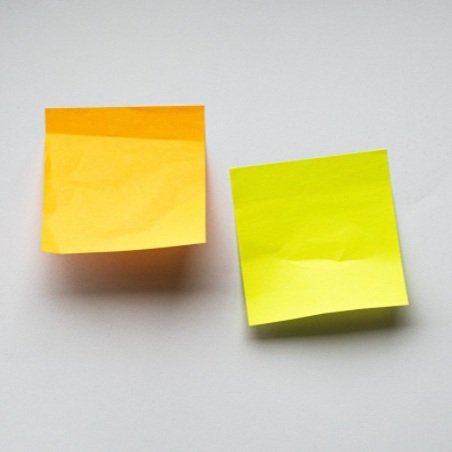
How Wall Cruising Helps Babies Transition to Independent Walking
Wall cruising helps babies transition from furniture cruising to walking by providing less hand support. Walls offer only light touch support, encouraging upright posture and heel weight-bearing needed for walking. Make it engaging with post-it notes, photos, or stickers for your baby to collect.

Do Baby Seats Help Babies Learn to Sit?
Baby seats don't teach sitting skills. Babies develop sitting through tummy time and floor practice. It's normal for babies to balance in placed sitting before they can get into sitting on their own. Baby seats can be convenient positioning tools but are optional. Prioritize tummy time and floor practice as the foundation for sitting development.

How Removing Couch Cushions Helps Babies Learn to Pull to Stand
Removing couch cushions makes pulling to stand easier by lowering the surface and creating a firm gripping edge. When babies can lean on the lower surface, they need less leg strength to practice.

Why Side Lying Position Matters for Baby Development
Side lying is an underrated developmental position that prepares babies for rolling and improves hand play. Support your baby on their side with a rolled towel behind their back, position toys where both hands can reach, and engage face-to-face. Side lying lets babies see their hands clearly, keeps toys stable, and prepares the vestibular system for rolling.
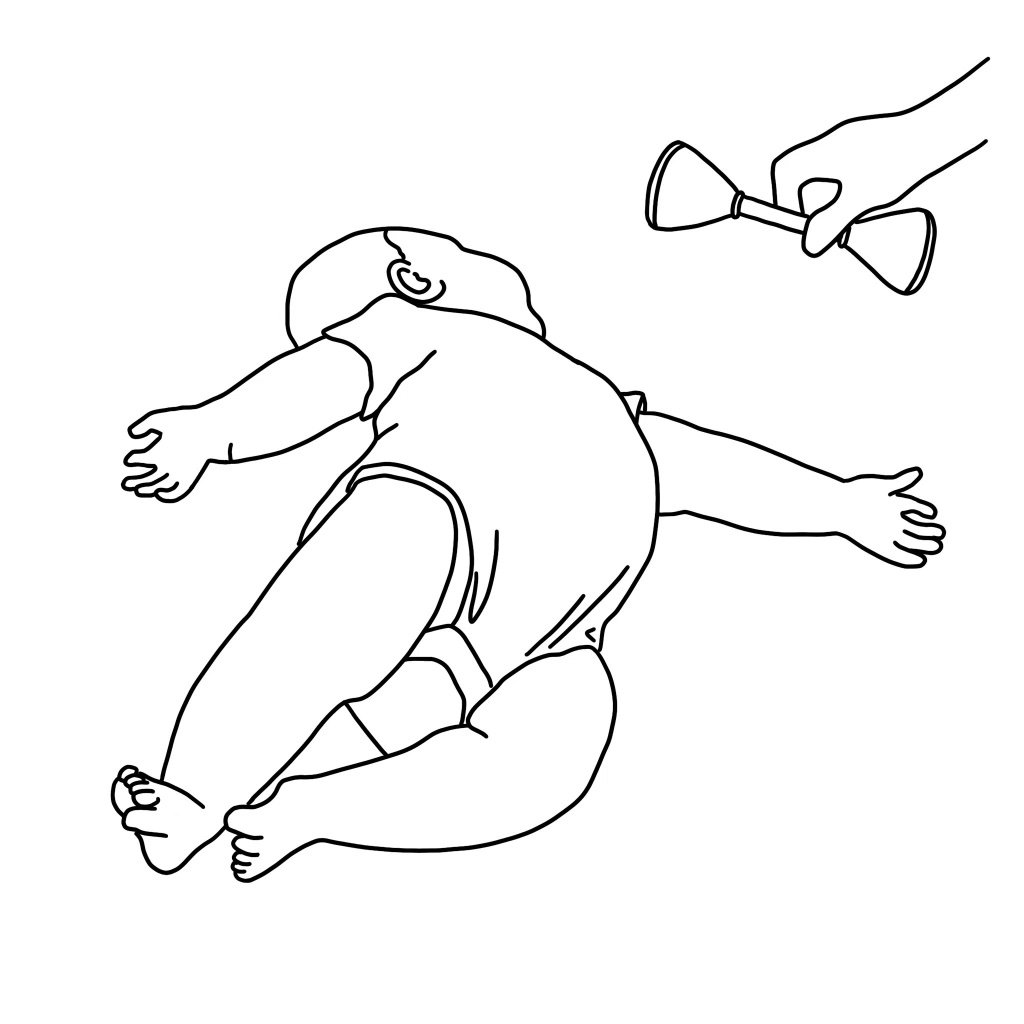
How Toy Placement Encourages Rolling from Back to Tummy
Rolling from back to tummy develops top-down, starting with head turning and trunk elongation. Support this by moving toys up and to the side to a 10 or 2 o'clock position. Your baby tracks the toy, turns their head, looks up, and elongates their trunk. This movement pattern is the foundation for rolling.

How Music Makes Tummy Time Easier for Baby
Music during tummy time helps calm both baby and parent, making the experience more positive. Music provides sensory input that creates positive associations with floor time.

How Demonstrating Crawling Helps Your Baby Learn to Crawl
Babies learn through observation. If your baby gets on hands and knees but isn't crawling forward yet, demonstrate the movement by getting on hands and knees yourself, rocking back and forth, and crawling slowly across the floor. This works best for babies who are physically ready but haven't figured out the movement pattern. Make it playful and engaging.