How Motor Skills Shape Language Development in Babies
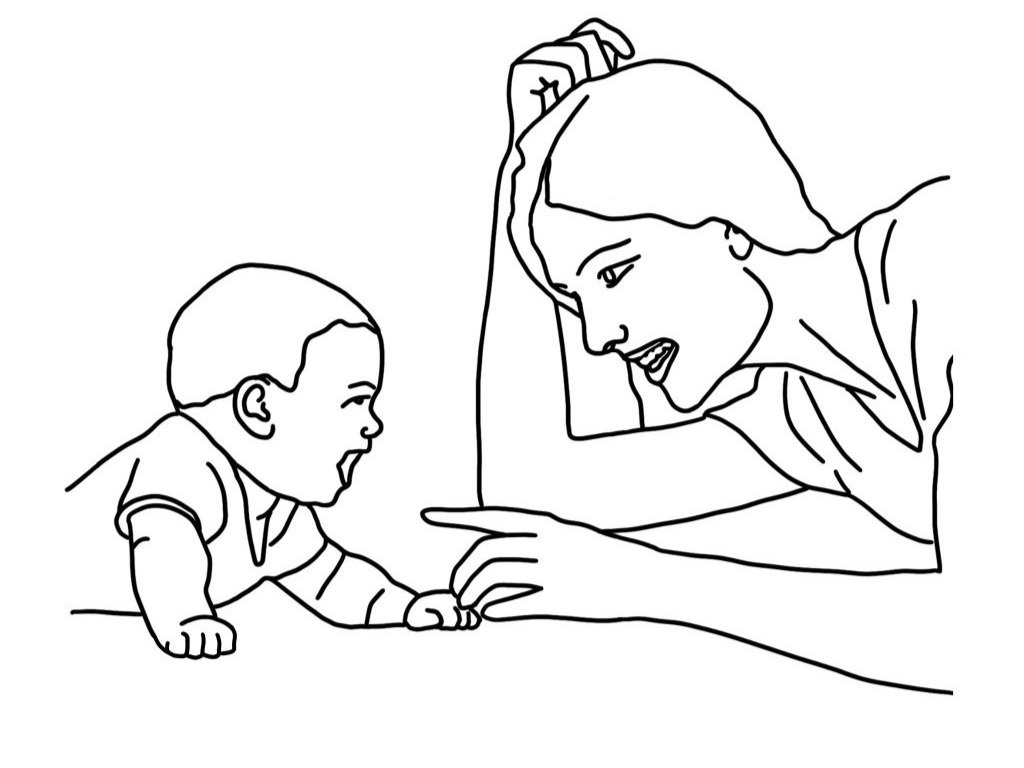
Quick Summary: Motor milestones fundamentally change how babies interact with their world and create new opportunities for language learning. While motor and language development often progress together, they follow independent pathways, so delays in one area don't necessarily predict delays in the other.
Many parents focus on physical milestones and language development separately without realizing how deeply connected these two areas are. Understanding this relationship helps you see your baby's development more holistically and recognize how physical progress naturally creates opportunities for communication growth.
Motor development doesn't cause language development directly, but each new physical skill your baby masters opens different contexts for learning words, practicing communication, and engaging with people and objects in new ways.
Why Are Motor Skills and Language Connected?
New physical abilities change social interactions. When your baby learns to sit independently, they suddenly have free hands for gesturing, can maintain eye contact during play, and participate in turn-taking games that build conversational skills. This sitting milestone transforms passive observation into active social engagement.
Movement creates motivation for communication. A crawling baby who sees an interesting toy across the room has reason to point, vocalize, or eventually say "ball" or "want." The physical ability to move toward desired objects creates natural contexts for requesting, labeling, and other communicative functions.
Exploration expands vocabulary. As babies gain mobility, they encounter more objects, spaces, and experiences worth talking about. The walking toddler who can access the kitchen drawer has more to communicate about than the baby who experiences only what adults bring to them.
Physical independence changes conversational dynamics. Babies who can move independently initiate more interactions, make more choices about what to engage with, and take more control of conversational topics. This agency supports language development in ways that passive observation cannot.
The relationship works in both directions. Language also supports motor development by allowing babies to request help, understand instructions, and participate in social games that involve physical activity.
How Does Sitting Support Language Development?
The transition to independent sitting around 6-8 months creates significant shifts in communicative opportunities.
Free hands enable gesturing which is a crucial bridge to spoken language. Sitting babies can wave bye-bye, clap hands, point to objects, and use other gestures that support communication before words emerge.
Face-to-face interaction becomes easier when babies sit independently. They can maintain eye contact during play, watch your mouth movements as you talk, and participate in social games like peekaboo without needing physical support. This sustained social engagement provides rich language input.
Joint attention develops more easily when babies sit and can shift gaze between objects and people. Looking at a toy together while you name it, then looking back at you, builds the shared focus essential for word learning.
Turn-taking emerges naturally during sitting play. Rolling a ball back and forth or stacking blocks together teaches conversational turn-taking patterns that transfer to verbal exchanges.
Sitting babies access different toys and activities that promote language learning. Board books work better when babies sit. Cause-and-effect toys become more interesting. Sorting and stacking activities introduce concepts and vocabulary.
How Does Crawling Change Language Learning Opportunities?
Crawling typically emerges around 7-10 months and fundamentally transforms how babies engage with their environment and communication.
Independent exploration introduces new vocabulary. Crawling babies encounter objects, spaces, and experiences beyond what adults select for them.
Requesting becomes meaningful when babies can see but not reach desired objects. The crawling baby who spots a toy across the room has authentic motivation to point, vocalize, and eventually use words to request. This genuine communicative need drives language development.
Spatial language gains context. Concepts like "up," "down," "in," "out," "under," and "behind" become meaningful as babies navigate spaces and retrieve toys from various locations. Physical experience builds understanding that supports later language comprehension.
Crawling babies initiate more interactions because they can approach people and objects independently. This self-directed exploration provides richer language learning than passive experiences controlled entirely by caregivers.
How Does Walking Open New Language Contexts?
Walking typically develops around 10-15 months and continues to expand communicative opportunities.
New environments become accessible as walking toddlers explore areas previously off-limits. Outdoor walks introduce vocabulary about nature, weather, and community. Kitchen access creates conversations about food and cooking. This expanded world naturally broadens vocabulary.
Height changes perspective and allows toddlers to see and access different objects. Reaching countertops, looking out windows, and seeing the world from standing height introduces new things to talk about.
Carrying objects while moving becomes possible with walking, which creates opportunities for showing, sharing, and discussing items. The toddler who can walk while carrying a book can bring it to you and request reading.
Independence increases communication needs. Walking toddlers move quickly in different directions and need language to coordinate with caregivers. "Come here," "stop," "this way," and other directional language becomes relevant and meaningful.
Social interactions diversify as walking toddlers approach other children on playgrounds, encounter neighbors during walks, and participate in group activities. These varied social contexts provide different language models and conversational opportunities.
Walking also allows toddlers to participate in daily activities like helping set the table, putting laundry in the hamper, or retrieving items from other rooms. These practical tasks embed language learning in meaningful contexts.
What About Babies with Motor Delays?
Understanding that motor skills create opportunities for language learning might worry parents whose babies have motor delays. This concern is understandable but deserves context.
Motor delays don't necessarily predict language delays. While motor and language development often progress together, they follow different pathways. Many children with motor challenges develop typical language skills.
Multiple pathways exist for language learning. The language-learning opportunities created by sitting can also happen in supported sitting positions. The exploration benefits of crawling can occur through adult facilitation where caregivers bring objects to babies. The environmental access of walking can be achieved through carrying toddlers to interesting locations.
Accommodation supports development. When motor delays are present, adapting environments and interactions ensures babies still access rich language experiences. Using adaptive equipment for positioning, bringing variety to babies who can't retrieve it themselves, and maintaining high-quality interactions all support language development regardless of motor abilities.
If your baby has motor delays, consult with physical therapy to support their physical development while ensuring they continue receiving rich language input and social interaction.
How Can I Support Both Motor and Language Development?
Understanding the connection between motor and language development helps you create opportunities that support both areas simultaneously.
During tummy time, narrate your baby's efforts, label body parts as they move, and describe what they see from their position.
When your baby sits, engage in face-to-face play with books, songs, and back-and-forth games. Take advantage of the free hands and sustained eye contact that sitting allows.
As crawling emerges, create safe exploration spaces with interesting objects to discover. Name items as your baby encounters them and expand on their interests when they bring objects to you or look at you while touching something new.
When walking begins, take walks together and narrate what you see. Let your toddler lead sometimes and follow their interests, labeling and expanding on whatever captures their attention.
Across all stages, respond to your baby's communicative attempts whether they're gestures, vocalizations, or words. This responsiveness reinforces that communication is powerful and worth pursuing.
The most valuable support you can provide is being present, engaged, and responsive as your baby explores their world at each developmental stage.
Frequently Asked Questions About Motor Skills and Language Development
Q: Should I work on motor skills or language development first? Neither requires priority over the other. Support both through engaged play and interaction rather than treating them as separate areas requiring different approaches.
Q: Can I do anything special to support both motor and language development together? Engaged, responsive interaction during whatever physical activities your baby is working on naturally supports both. Narrating, responding to communication attempts, and following your baby's interests is more valuable than any special program.
Q: Does screen time affect the motor-language connection? Screen time provides passive visual input without the motor exploration and social interaction that support language development. Prioritize hands-on play and interaction over screens, especially during the first two years.